Showing posts with label power. Show all posts

Friday, July 3, 2015

Solar-powered plane lands in Hawaii, pilot sets nonstop record

Bertrand Piccard (L) celebrates with Andre Borschberg after the Solar Impulse 2 airplane, piloted by Borschberg, landed at Kalaeloa airport after flying non-stop from Nagoya, Japan, in Kapolei, Hawaii 
Bertrand Piccard (L) celebrates with Andre Borschberg after the Solar Impulse 2 airplane, piloted by Borschberg, landed at Kalaeloa airport after flying non-stop from Nagoya, Japan, in Kapolei, Hawaii

(Reuters) - A Swiss man attempting to circumnavigate the globe with an aircraft powered only by the sun's energy landed in Hawaii on Friday, after a record-breaking five-day nonstop solo flight across the Pacific Ocean from Japan.
The Solar Impulse 2 is the first aircraft to fly day and night without any fuel. Pilot Andre Borschberg's 120-hour voyage shattered the 76-hour record for nonstop flight by late American adventurer Steve Fossett in 2006 on the Virgin Atlantic Global Flyer.
Borschberg, who took off from Nagoya, Japan, on Monday on the seventh leg of the journey, landed at 5:55 a.m.(1155 EDT) on Friday in Kalaeloa after five days and nights.
The aircraft, piloted alternatively by Swiss explorers Borschberg and Bertrand Piccard, set off on its 22,000-mile (35,000-km) journey around the world from Abu Dhabi on March 9.
The Solar Impulse 2 airplane lands at Kalaeloa Airport in Kapolei after flying non-stop from Nagoya 
The Solar Impulse 2 airplane lands at Kalaeloa Airport in Kapolei after flying non-stop from Nagoya

Thursday, July 2, 2015

Hot water from the Sun

Hot water from the Sun

Solar Thermal Collector (Flat Panel)

Heating water represents the biggest single source of greenhouse gas emissions in an average household.
30% of total greenhouse gases households produce is due to water heating. Solar water heaters can dramatically reduce energy bills without any environmental impacts. Installing solar hot water also reduces our dependency on fossil fuels.


Hot water and household energy usage

Electric and gas hot water systems account for approximately 20% of a household’s greenhouse gas emissions.
The technology for solar thermal water heaters is entirely different to a photo-voltaic off grid or grid connect system.
For example, solar heaters use a flat plate with collector panels or evacuated tubes to absorb the heat from sunlight and then raise the temperature of the water.

Solar thermal hot water explained

Flat plate collectors work on copper pipes running through a glass covered collector, often connected to a water storage tank on the roof. The hot water can then thermo-siphon itself in and out of the tank, thus heating the water.
Read our blog for more information on how a solar hot water system works and  How much energy and money can you save.

Benefits of Solar thermal hot water systems

By installing a solar thermal water system you will reduce these emissions and also save up to 75% of your water heating costs! Not only be lessening your family’s environmental impact through reducing carbon emissions, but saving money on an ongoing basis - free hot water courtesy of the sun.
We can arrange installation throughout your area and have completed hundreds of projects through our list of accredited partners.
If you have a written quote from another supplier on a solar hot water system below our price, fax or email it to us – we will better any written quote on comparable solar hot water systems.
Contact us via email or call us on +55 71 9917.5920 for free, no-obligation advice.
 Source


Biomass energy

Biomass is biological material made from living, or recently living organisms. It is the oldest source of renewable energy, used since our ancestors learned the secret of fire. Biomass is essentially carbon, hydrogen and oxygen based. Biomass energy is derived from five distinct energy sources: garbage, wood, waste, landfill gases, and alcohol fuels.

Used as an energy source to produce heat or in modern times electricity directly, or converted into other energy products such as bio-fuel.
One thing for sure, biomass is a green energy source because it uses renewable resources to produce energy. This means that we will have an endless supply of biomass just like the sun and the wind. The biggest challenge is perhaps to find a suitable land with a sufficient water supply to make the system work. When water is not abundant, it is very difficult to rely on biomass technology to generate energy.
Until recently, biomass supplied far more renewable electricity than Solar or Wind, as the most common way to capture the energy from biomass was to burn it to make heat. The most common way of converting biomass to electricity is to burn it to produce steam, which turns a turbine that produces electricity.
The problems with direct combustion of biomass are that much of the energy is wasted and that it can cause some pollution if it is not carefully controlled. One way to offset this downside is by planting more crops which will be a great help to reduce the amount of carbon dioxide in the atmosphere.
It is a good idea if you can use organic waste to produce electricity. This is the key that makes biomass different than other green energy sources. When biomass is used extensively, the government can save a considerable amount of money for reduction in waste disposal. Furthermore, they can reduce their dependency toward foreign oil to power their plants.
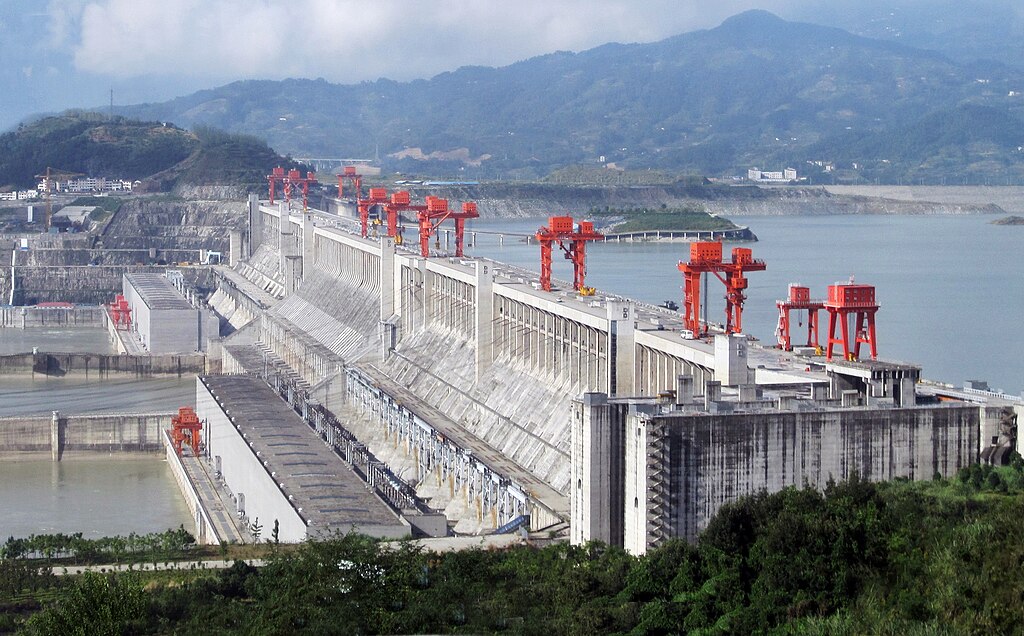
The growth of bio-power will depend on the availability of resources, land-use and harvesting practices, and the amount of biomass used to make fuel for transportation and other uses. However, like Hydro generated energy there are some environmental impacts and risks, that come with the benefits.
The main impacts and risks from biomass are sustainability of the resource use, air quality and carbon emissions.

Source

© 2013 ipress. All rights resevered. Designed by Templateism